Key Takeaways
- Digital LED billboards support flexible, rotating creatives without a full reprint or reinstall
- Programmatic buying makes out-of-home easier to buy, target, and measure alongside digital channels
- QR codes, mobile triggers, and 3D displays turn static boards into two-way engagement tools
- Sustainability pressure accelerates LED upgrades, solar-powered boards, and recyclable materials
- AI and live data swap creatives in real time based on weather, traffic, and nearby audiences
Digital Billboard Growth and LED Technology Dominance
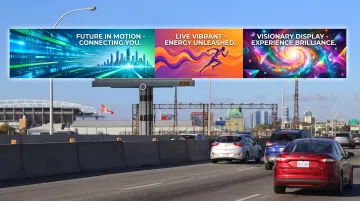
Digital billboards are LED displays that let multiple advertisers share one face through rotating content. Unlike traditional printed billboards, digital formats support flexible scheduling and real-time message changes without physical production delays.
According to Q1 2026 data, digital billboard revenue grew 8.1% year-over-year, a clear sign adoption is still accelerating. Major cities including New York, Los Angeles, and Dallas lead in digital installations, with networks offering comprehensive metro coverage.
Why Digital Billboards Matter
Digital formats deliver measurable advantages:
- Rotate multiple advertisers on one screen every 6-8 seconds to lower cost per advertiser
- Skip print production costs by uploading creative digitally
- Pivot campaigns within hours instead of waiting weeks for a reprint
- Day-part messages, such as breakfast offers in the morning and dinner deals at night
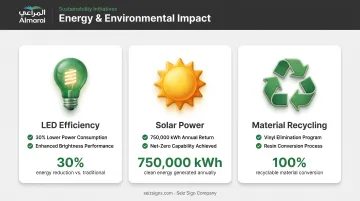
Modern LED technology also improves visibility and brightness while reducing energy consumption. Watchfire's 2026 product update reports up to 30% lower power consumption compared to earlier digital designs, so operators get brighter boards at a lower operating cost.
The Business Case for Digital
Those efficiency and flexibility gains also change how campaigns get bought and managed. Digital billboards support A/B testing across dayparts and locations: advertisers can try different creative, see what holds attention, and adjust quickly. Static boards locked into 4-week minimum contracts simply cannot match that pace.
In markets like Hot Springs and Garland County, Seiz Sign Company gives local and regional advertisers a practical path in through traditional billboard faces plus large outdoor LED displays sold on a rotational basis. That mix lets brands trial digital without giving up proven static locations.
Programmatic and Data-Driven Billboard Advertising
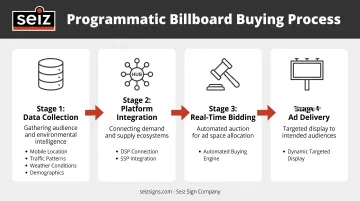
By 2026, more billboard buys will run through programmatic platforms the same way online display ads do. Advertisers purchase digital out-of-home space through automated systems instead of manual insertion orders.
Media owners list available spots on supply-side platforms. Buyers bid through demand-side platforms in real-time auctions tied to audience, location, and CPM targets.
How Data Integration Works
Billboards now connect with multiple data sources:
- Mobile location data triggers ads when target audiences are nearby
- Traffic patterns adjust messaging based on congestion levels
- Weather APIs promote relevant products (umbrellas during rain, sunscreen during sun)
- Demographic information targets specific age groups or income levels
Measurement Improvements
Historically, billboard ROI was hard to prove. Today's attribution tools tie store visits, website traffic, and conversions to specific billboard exposures.
A 2020 Nielsen study found that 52% of smartphone-owning viewers took a mobile action after seeing a digital billboard. That included searches, site visits, and social engagement.
Accessibility Impact
Programmatic platforms lower barriers for small and mid-sized businesses by dropping minimum spends and long-term contracts. Advertisers can test with modest budgets, run one-week flights, and shift spend based on performance.
Interactive and Immersive Billboard Experiences
Interactive billboards turn passersby into participants. Instead of a one-way glance, they prompt a scan, tap, or share—and those actions are trackable in ways static boards are not.
Common interaction tools include:
- QR codes that open offers, menus, or product pages
- Touchscreens and motion sensors for on-site play
- Augmented reality overlays viewed through a phone camera
- Social prompts that spark organic posts and tags
3D Anamorphic Displays
3D anamorphic billboards create optical illusions that appear to extend beyond the screen. Netflix's Squid Game Season 3 campaign featured large Sunset Boulevard billboards that created viral social moments, while similar installations have showcased everything from splashing water effects to objects seemingly breaking through the display.
These installations generate organic social media sharing, extending campaign reach far beyond the physical billboard location. When viewers photograph and share the display, brands pick up earned reach they did not have to buy.
QR Code Integration
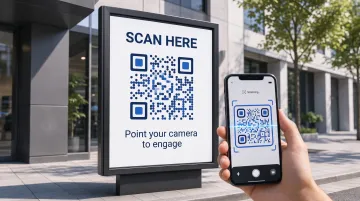
QR codes bridge offline and online experiences. Viewers scan codes with smartphones to access exclusive content, promotional offers, product information, or e-commerce pages. This creates a direct path from roadside exposure to measurable digital action.
Most people already scan codes for menus, payments, and product info, so the ask feels familiar. Billboard QR programs can report scans, conversion rates, and where those scans came from—giving media buyers numbers they can actually use.
Augmented Reality Applications
AR-enabled billboards allow viewers to overlay digital content onto physical displays through smartphone cameras. A viewer points their camera at the board and sees a product spin in place, a character step into the street, or a try-on filter lock to the scene. Those moments are built to be filmed and posted, so one placement can seed a wave of user-generated content.
For 2026 plans, treat interaction as a design requirement—not a gimmick. Pair a clear call to act with creative worth stopping for, then measure scans, saves, and shares the same way you would any other performance channel.
Sustainability and Eco-Friendly Billboard Practices
Environmental responsibility is reshaping billboard operations. Three shifts stand out:
- LED displays cut electricity use versus traditional lighting
- Digital formats remove vinyl waste from print-and-paste campaigns
- Solar installations supply renewable power on-site
Solar-Powered Billboard Installations
Lamar Advertising's solar installations power more than 4,800 LED billboard lights in Louisiana and Florida, returning over 750,000 kWh annually to the grid—and lower ongoing utility costs at the same time.
Solar billboards perform best in high-sun regions where panels produce steady output. Some sites hit net-zero or net-positive use, running the board and sending surplus power back to the grid.
Material Recycling Programs
Energy is only half the footprint. Operators are also closing the loop on physical materials.
Lamar's polyethylene billboard substrates are recycled into resin for products such as rail ties, pots, and pallets, and reused as bags and temporary roof covers. The program, launched in 2008, diverts thousands of pounds of material from landfills each year.
Digital boards cut waste further by skipping printed vinyl altogether. One display that rotates 12 advertisers a year removes 12 vinyl prints, install trips, and disposal cycles—gains that scale across large networks.
AI-Powered Dynamic Content and Real-Time Optimization
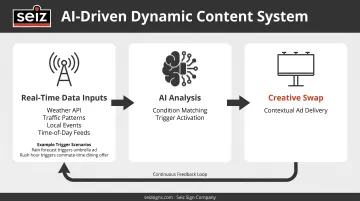
AI-driven billboards analyze real-time data—weather, traffic speed, local events, trending topics—and adjust creative on the fly. Static boards become responsive media that shifts with conditions on the ground.
Dynamic Content Applications
Automated systems trigger different creative based on context:
- Weather-responsive ads show coffee promotions during cold weather, sunscreen during sunny periods
- Traffic-aware messaging displays complex messages when vehicles slow down, simple visuals when traffic speeds by
- Event-based triggers promote nearby restaurants before concerts, parking options during festivals
- Time-of-day optimization features breakfast items in morning, dinner specials in evening
These capabilities rely on data feeds integrated with digital billboard content management systems. When conditions match predetermined triggers, the system swaps creative without manual intervention.
Creative Optimization
Advanced platforms test multiple creative variations across different times and locations, learning which messages perform best with specific audiences. The system then steers more impressions toward winning content based on what actually works.
This mirrors online advertising's programmatic optimization but applied to physical billboards. Rather than relying on static creative for an entire campaign, advertisers iterate and improve messaging based on real-world performance data.
What's Driving These Billboard Advertising Trends
Renewed Mobility and Outdoor Exposure
Americans drove 3.279 trillion vehicle-miles in 2024, up 1.0% year-over-year, which keeps roadside audiences large and consistent. As people spend more time outside their homes for work, shopping, and leisure, billboards reach audiences beyond digital screens.
That outdoor time also supports a broader shift toward offline experiences. Out-of-home works as a durable complement when digital alone cannot carry the full media mix.
Technology Convergence
Several technologies matured at the same time:
- LED displays
- Mobile connectivity
- Location data
- Artificial intelligence
- Programmatic buying platforms
Together, they make advanced billboard capabilities practical and affordable for everyday campaigns—not just pilot projects.
Ten years ago, programmatic billboard buying, real-time content triggers, and mobile attribution were experimental concepts. Today, they're production-ready technologies with proven results and established vendor ecosystems.
Competitive ROI Demands
Digital costs keep climbing while results get harder to protect from ad blocking, banner blindness, algorithm shifts, and privacy rules. Marketers are looking again at outdoor’s advantages. A 2017 analysis found that one OOH advertising dollar generated nearly $6 in sales.
Billboards deliver visibility without an algorithm deciding who sees the ad, a blocker wiping out the impression, or a platform policy change cutting the campaign short. That control is a major reason advertisers want stable, measurable reach in the mix.
How These Trends Are Impacting the Billboard Advertising Industry
Operational Impact
Billboard companies are investing heavily in digital infrastructure. Lamar spent $180.8 million in 2025 capital expenditures, including $90.9 million on digital technology. The company reported that approximately 5,500 digital boards generated 33% of billboard net revenue despite representing a small fraction of its 153,801 static displays.
That shift changes how operators work day to day:
- Train staff on programmatic platforms
- Partner with data providers
- Move from landlord/space-rental models to media companies that sell targeting, measurement, and creative optimization
Business Impact
Accessible programmatic platforms and flexible digital formats attract new advertiser categories that previously couldn't afford billboard minimums. Q1 2026 OOH spending rose 139% for Computers/Software/Internet Services and 12% for Local Services/Amusements, demonstrating category expansion beyond traditional high-budget advertisers.
Tech startups, direct-to-consumer brands, and local businesses can now run strategic billboard campaigns with precise audience targeting, measurable results, and fast optimization. Those capabilities once required six-figure budgets and major-brand media teams.
Advertiser Impact
A 2026 OAAA survey found that 65% of marketers deploy digital billboards for connected-commerce strategies, integrating outdoor advertising with broader omnichannel marketing rather than treating billboards as isolated awareness plays.
Brands can coordinate billboard exposure with mobile retargeting, social amplification, e-commerce promotions, and in-store activation. Outdoor becomes one planned beat in the full campaign, not a standalone awareness buy.
Future Signals for Billboard Advertising in 2026 and Beyond
Smart City Integration
Billboards increasingly serve dual purposes—commercial advertising plus public information. OAAA and the National Center for Missing & Exploited Children distribute AMBER Alerts to digital billboards within minutes, with participation expanding from 11 companies in 2008 to virtually all major U.S. digital billboard owners.
That dual role makes digital boards part of urban infrastructure. Alongside paid ads, networks already carry:
- Emergency communications and AMBER Alerts
- Traffic and weather updates
- Community announcements
Platform Consolidation
Broadsign acquired Place Exchange on November 25, 2025, combining OOH buying and selling technology. This consolidation trend suggests that major platform providers will integrate more capabilities—supply, demand, data, measurement—into unified solutions that simplify programmatic billboard advertising.
Further consolidation may bring outdoor advertising closer to the online advertising ecosystem, with shared data platforms, unified reporting, and cross-channel attribution becoming standard capabilities.
Regulatory Considerations
Industry and federal research already frame the main guardrails:
- Brightness: OAAA caps digital billboard lighting at 0.3 foot-candles above ambient light
- Distraction: FHWA eye-tracking research recorded max fixations of 1.34 seconds (digital) and 1.28 seconds (static)—below NHTSA’s 2-second concern threshold
Privacy, consent, and location-data controls will stay on the agenda as screens and audience tools advance. OAAA backs self-regulatory frameworks on those points.
Emerging Capabilities
Early experiments worth watching:
- Real-time social media feeds on-screen
- Voice-activated interactions
- 5G-powered richer creative
None have meaningful U.S. roadside adoption yet. They remain pilots until costs drop and operators prove they work at highway scale.
Conclusion
Billboard advertising in 2026 looks little like the static roadside boards many still picture. Digital growth, programmatic buying, interactive formats, sustainability standards, and AI optimization have made outdoor ads more measurable and audience-specific.
Brands that adapt early get clearer ROI, tighter targeting, and cleaner ties to their digital campaigns. Sticking with traditional-only plans makes it harder to keep up.
If you need outdoor placements in Hot Springs or Garland County, Seiz Sign Company runs 90+ billboard locations and digital faces you can use to put these shifts to work locally.
Frequently Asked Questions
What are the key advertising trends for 2026?
The five main trends are digital LED growth, programmatic buying, interactive formats (QR codes and 3D), sustainability (solar and recycling), and AI-powered content that adapts to real-time conditions.
Is billboard advertising still effective in 2026?
Yes. U.S. OOH revenue hit $9.1 billion in 2024 and is projected to top $10 billion by 2027. Billboards gain from more driving, digital upgrades, and stronger mobile and omnichannel measurement.
How is digital technology changing billboard advertising?
Digital enables instant content swaps, weather- and traffic-based creative, data-driven targeting, attribution tracking, and lower costs by sharing display space without print production.
What should businesses consider when choosing between traditional and digital billboards?
Weigh goals, budget, location availability, how often messages must change, and measurement needs. Traditional suits stable, long-term branding; digital fits flexible, data-driven promotions.
How can local businesses in Arkansas benefit from these billboard trends?
Programmatic and digital boards lower minimums and add flexible scheduling plus geo-targeting for local advertisers. Seiz Sign Company offers traditional billboard networks across Hot Springs and Garland County, plus LED digital displays for rotational messaging without long-term contracts.
What role does sustainability play in billboard advertising trends?
Sustainability is pushing LEDs, solar-powered boards, digital formats that cut vinyl waste, and material recycling. These moves appeal to eco-conscious audiences and lower operators’ energy and production costs.